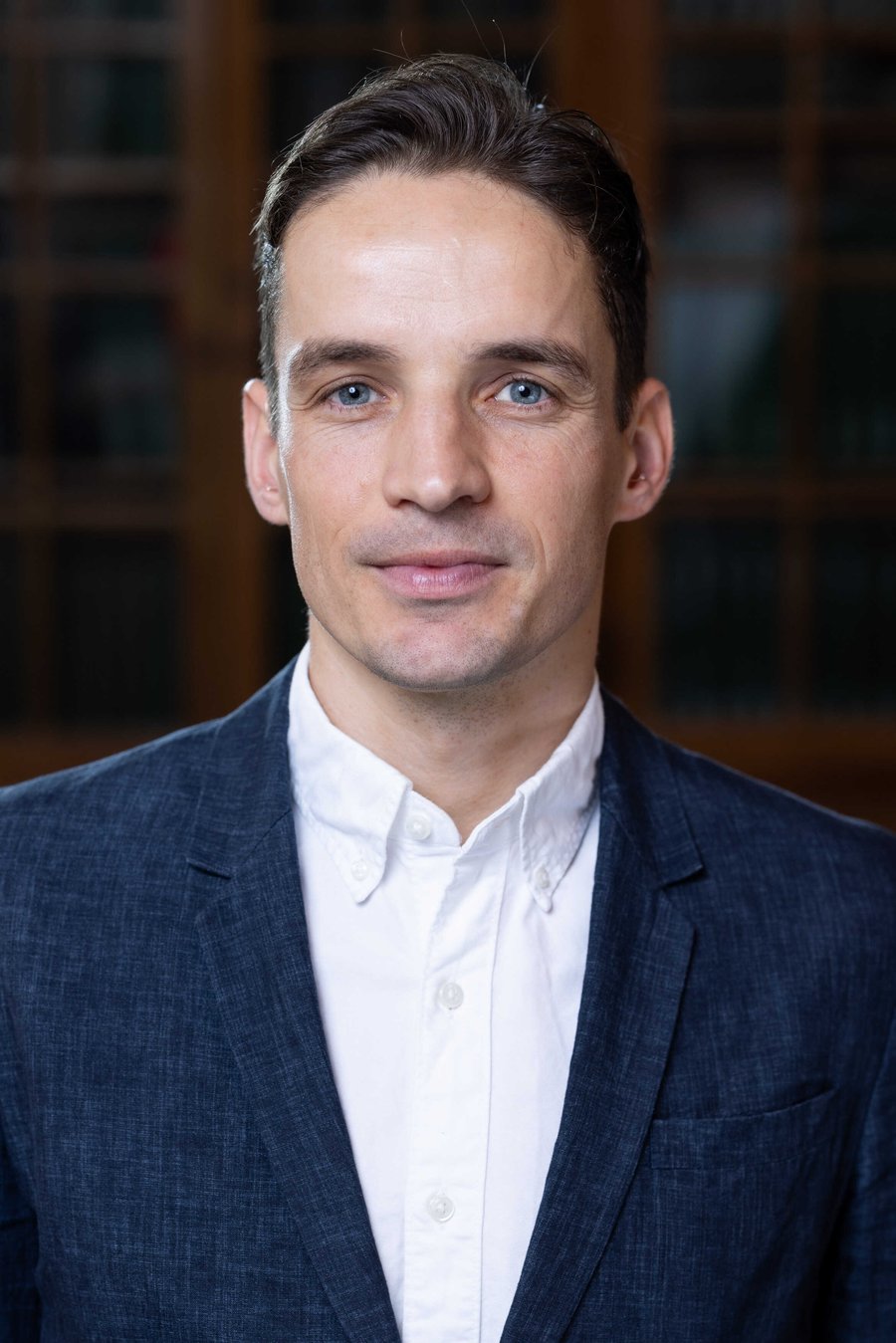
Matěj
Jungwirth

PhD Candidate in Political Science
Northwestern University

Czechoslovakia 1938 Finland 1940/1944 Armenia 2023
Comparative Historical Analysis
CV
* New Valamo Monastery, Heinävesi — evacuated from Ladoga Karelia, 1940

About

Matěj Jungwirth

Hello!

My name is Matěj [ma-tey] Jungwirth and I am a PhD candidate in Political Science at Northwestern University, and a Visiting Research Fellow with the Migration Institute of Finland.

In my doctoral dissertation, Losing Land, Not Its People, I study the intertwined shocks of territorial loss and the accompanying displacement of co-citizens into the truncated remainder of the national territory. The displaced inadvertently serve as tangible reminders of territorial dispossession and as political actors in their own right. In some societies, their presence keeps the loss politically salient in national politics, while in others contestation over the loss is transformed into less belligerent cultural and commemorative forms. To explain this divergence, I develop the concept of territorial mourning: the response to the twin traumas of territorial loss and forced displacement, unfolding at both the individual and societal levels. My research follows the overarching logic of Comparative Historical Analysis, combining archival research in Czech, Finnish, and German with original surveys, survey experiments, expert interviews, and discourse analysis.

Alongside my dissertation research and undergraduate teaching, I publish and study polarization in Central and Eastern Europe, return decision-making of displaced Ukrainians and conflict resolution attitudes in pre-2022 Ukraine.

Beyond academia, I discuss developments in US politics in media outlets in the Czech Republic and Slovakia as a Research Fellow with the Prague-based AMO think tank.

In my personal life, I greatly enjoy a variety of sports with my son including rock climbing, soccer and baseball, spending time in the great Midwestern outdoors and building a proper Finnish sauna.

I am best contacted via email: matej[at]u.northwestern.edu

Dissertation Research

Losing Land, Not Its People

In my dissertation (co-chaired by James Mahoney and Jordan Gans-Morse), I study how societies respond to large-scale resettlements of co-citizens caused by territorial loss, and why those responses diverge sharply across cases. For example, Finland lost Karelia permanently and resettled some 420,000 displaced citizens, yet contestation over the loss shifted largely from material claims to the territory into arenas of public culture and commemoration. On the other hand, Czechoslovakia regained the Sudetenland within seven years of the 1938 Munich Agreement, yet the legacy of territorial dispossession remains politically salient and controversial in the Czech Republic to this day. Why do the legacies of forced displacement keep some territorial losses politically salient, while channeling contestation over others into less belligerent modes of remembrance?

I argue that the mode of emergent territorial mourning offers an answer. Developments in the immediate aftermath of dispossession, above all how the displaced are received and resettled, such as Finland’s large-scale land and wealth redistribution, lastingly shape the prevailing mode of territorial mourning, which takes a distinctly different character for displaced citizens than for their non-displaced compatriots. The prevailing mode of territorial mourning then shapes two broader sets of long-term legacies: the politics of the lost territory, including public opinion, the extent to which national parties take up territorial reclamation, and relations with the former adversary; and the collective memory of the lost lands, expressed through public commemoration and broader cultural practices.

Methodologically, my dissertation is a mixed-methods project following the analytical framework of Comparative Historical Analysis across three cases of territorial loss and large-scale dispossession of people. Within and across these cases, I weave together archival research, expert interviews, public discourse analysis, ethnographic fieldwork, and original survey data collection to trace the emergence and influence of territorial mourning. Given the cross-country historical nature of my research, I read and study primary and archival sources in Czech, Finnish, and German.

Sudetenland

Czechoslovakia · 1938

Following the infamous 1938 Munich Agreement, the Czechoslovak republic was forced to give up some one fifth of its territory — the Sudetenland borderlands with large ethnic German populations — over to Nazi Germany. This territorial transfer engendered the displacement of some 370,000 Czechoslovak citizens from the ceded territories to the remainder of Czechoslovakia.

Methods: archival research of public administrative records in the Czech National Archive; public discourse analysis.
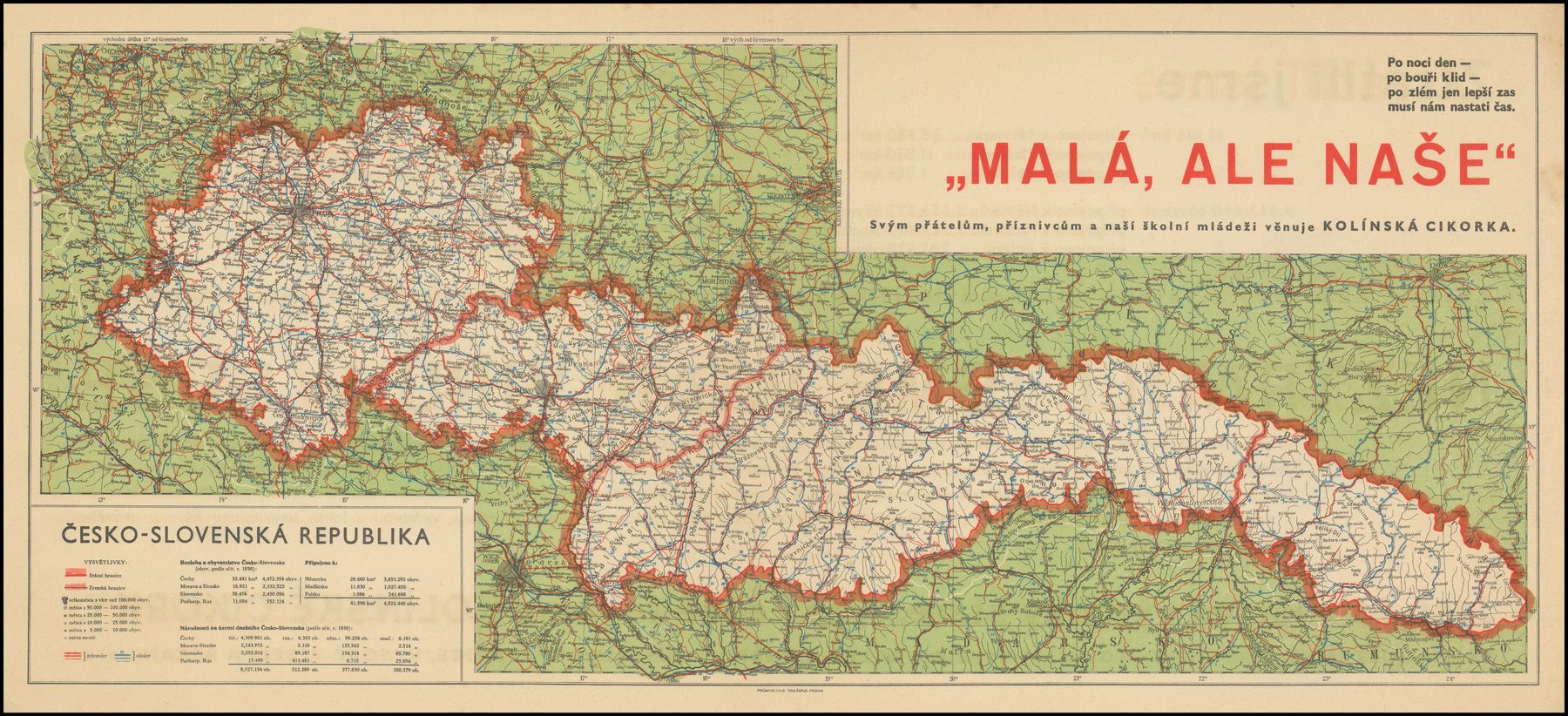
1938 map of the Second Czechoslovak Republic after the Munich Agreement

* “Small but ours”, map of truncated Czechoslovakia after the Munich agreement, 1938. Kolínská cikorka. Via Wikimedia Commons
Karelia

Finland · 1940/1944

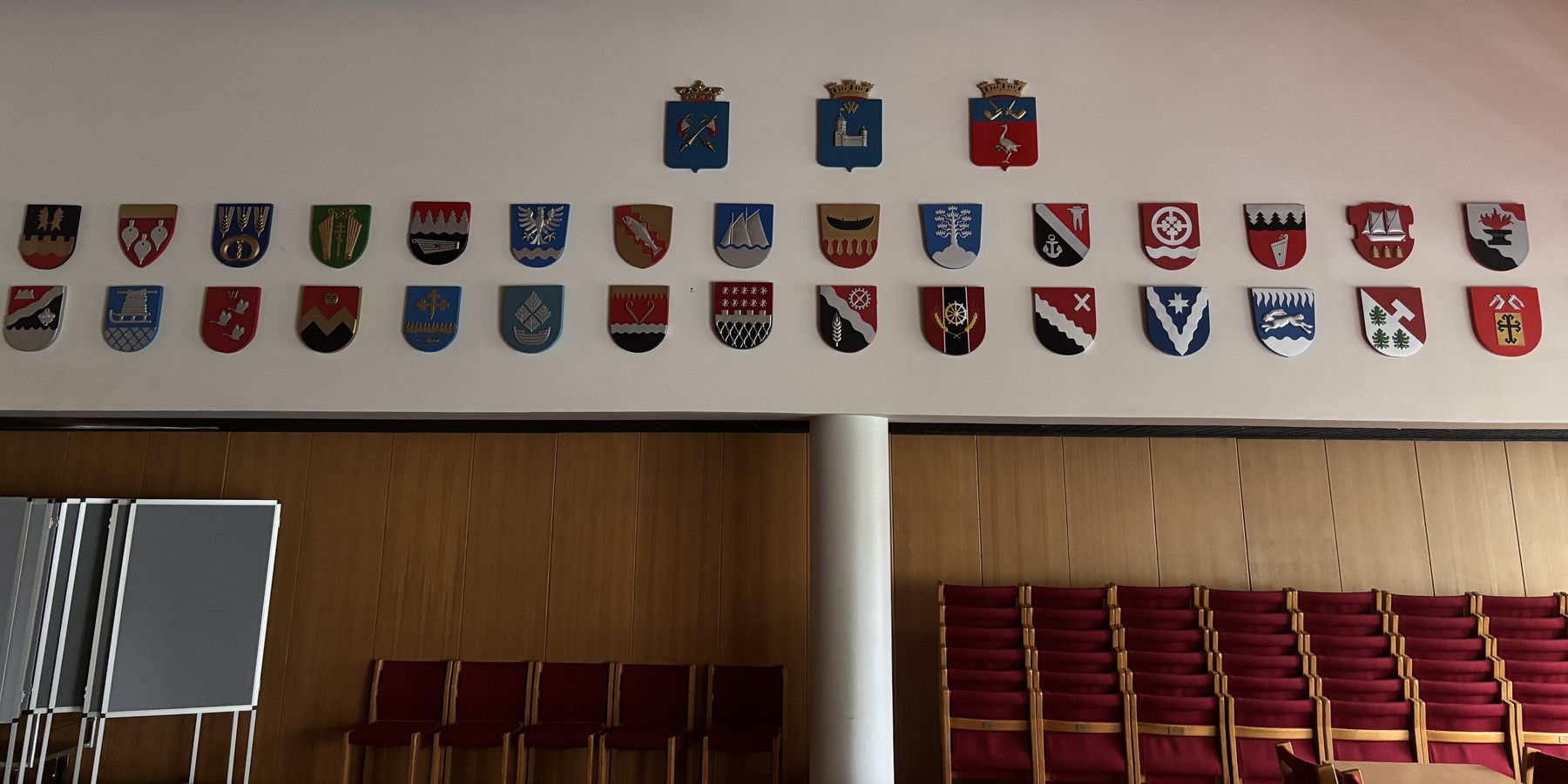
Following its resolute defense in the Winter War, Finland ceded Karelia and additional eastern regions — some 11% of its territory — in 1940, a loss upheld despite temporary reclamation in 1941–1944. Some 420,000 Finnish citizens were resettled in the remainder of Finland through a mass state-led land redistribution effort.

Methods: archival research; expert interviews; local ethnography in Eastern Finland.

Coats of arms of ceded Karelian municipalities, Karjalatalo, Helsinki

* Coats of arms of ceded Karelian municipalities, Karjalatalo, Helsinki. Photographed 2026

Nagorno-Karabakh

Armenia · 2023

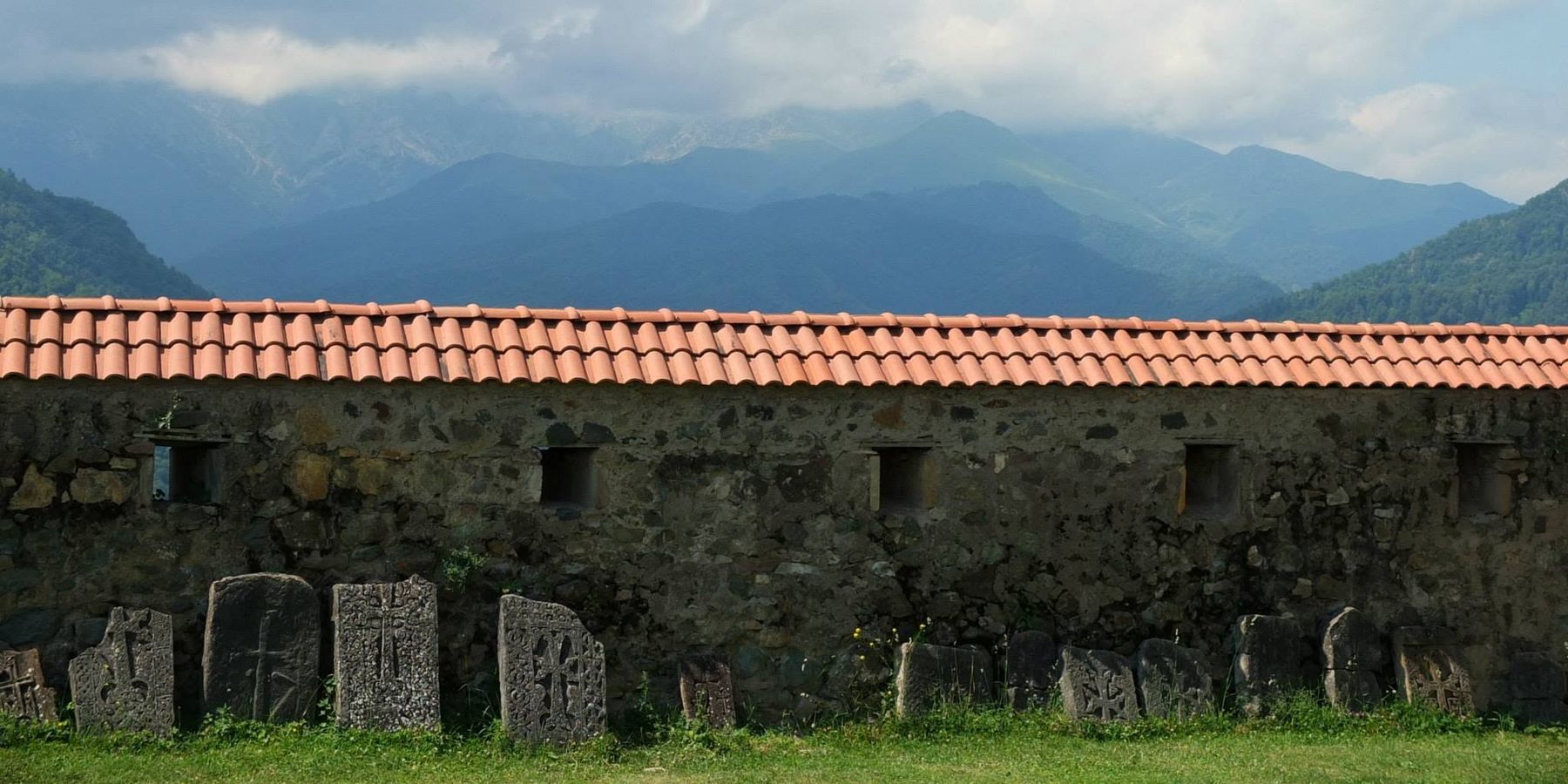
The military offensive by Azeri forces in the fall of 2023 brought an end to nearly three decades of Armenia's control over the disputed mountainous territory of Nagorno-Karabakh. Following the change of sovereignty, some 120,000 Armenians fled the territory to the remainder of Armenia.

Methods: original survey fielded via CRRC-Armenia in May 2026 (n = 759). Study pre-registration

Khachkar memorial stones at Gandzasar Monastery, Nagorno-Karabakh

* Khachkar memorial stones at Gandzasar Monastery, Nagorno-Karabakh. Photographed 2014

Academic Publications

Published work

  • Hrbková, Lenka, Tadeáš Cely, and Matěj Jungwirth. 2026. “Not Your Mama’s Ideology (But Close): Modest Generational Differences in Ideological Alignment in Postcommunist Europe.” Public Opinion Quarterly. https://doi.org/10.1093/poq/nfag041.

  • Jungwirth, Matěj, and Neonila Glukhodid. 2026. “Returning to the Past? Typology of Decision-Making of Ukrainian Forced Migrants in the Czech Republic and Germany.” In Fragmented Lives in Times of War, edited by Lidia Kuzemska, 191–216. Bielefeld: transcript Verlag. https://doi.org/10.14361/9783839477427-191.

Working papers

  • Others Might Return but I Will Not

    I study refugees’ return decision-making using an original survey of displaced Ukrainians in the Czech Republic (n = 1,048) fielded in fall of 2024. Using an innovative paired conjoint design, I show that under the same hypothetical conditions, refugees assess the return intentions of other displaced individuals differently than their own. Study pre-registration

  • Proximity, Permeability, and the Possibility of Violence

    With Aaron Erlich and Calvin Garner. Using multiple survey waves fielded in Ukraine between 2015 and 2019, we show that citizens’ distance to different border regimes with Russia and Russia-occupied territories is associated with conflict resolution attitudes.

  • Structures in Our Heads: Social Identity and Party Attachments in Central and Eastern Europe

    With Tadeáš Cely and Lenka Hrbková. Using original survey data from the Czech Republic, Hungary and Lithuania (n = 4,296) and an embedded experiment, we argue that under conditions of party flux and weak social ties, identification with groups is highly individualized, and these “structures in our heads” strongly predict the role social groups play in party attachments and partisan affect.

Policy publications

  • Jungwirth, Matěj. 2021. “Texas Power Grid Failure: Causes, Lessons Learned and Implications for EU Energy Market Transformation.” Heinrich Böll Stiftung. cz.boell.org.

  • Jungwirth, Matěj, ed. 2020. Rethinking Return: Lessons from Colombia, Liberia and Nigeria. Mercy Corps and IOM. reliefweb.int.

  • Jungwirth, Matěj. 2020. “Joe Biden and Climate: Cause for Cautious Optimism.” Heinrich Böll Stiftung. cz.boell.org.

  • Jungwirth, Matěj. 2019. “Pirates, Boat People, and Bystanders: Contradictions at the Marine Bedrock of the International Human Rights Regime.” Journal of Public & International Affairs. jpia.princeton.edu.

Teaching Experience

Critical Perspectives on Territorial Conflict

Instructor of Record

International Studies 395 · Northwestern University · Fall 2026, Winter 2027

Course syllabus Open PDF →

An upper-level research seminar, meeting twice weekly. In this course, built around my own dissertation research, I introduce undergraduates to the comparative study of territorial conflict, forced displacement, and intergenerational transmission of trauma. In addition to classroom lectures and discussions, I supervise the students’ original research papers — the main outcome of the course.

Teaching Assistant, Northwestern University

Teaching evaluations Open PDF →
  • POLS 240 – Introduction to International Relations Winter 2025, Fall 2025
  • POLS 335 – Political Psychology Spring 2024
  • POLS 210 – Introduction to Empirical Methods Fall 2023, Winter 2024

Fellowships & Awards

Awards & Prizes

(selected — see CV for a full list)

  • Doris Graber Student Paper Competition — Honorable Mention (MAPOR)

    2025
  • Jacques Rupnik Prize (best paper, European University Institute)

    2025
  • John Parker Compton Fellowship in International Relations (Princeton University)

    2019

Fellowships & Grants

(selected — see CV for a full list)

  • Visiting Research Fellow (Migration Institute of Finland)

    2026
  • Gerald D. Feldman Travel Grant (Max Weber Stiftung)

    2025
  • Marvin and Carol Soroos Graduate Research and Travel Award (Northwestern University)

    2025
  • Buffett Institute International Dissertation Grant (Northwestern University)

    2025
  • Buffett Institute Graduate Research Fellowship (Northwestern University)

    2024–25
  • Buffett Institute Summer Research Grant (Northwestern University)

    2024

Public Engagement

Outside of my academic research and writing, I appear in a variety of Czech and Slovak media channels, including the public TV and radio, offering insights into US domestic and foreign policy issues. I do so as a Research Fellow with the Prague-based AMO think tank.

  • Česká televize 13
  • Seznam Zprávy 7
  • Hospodářské noviny 2
  • Denník N 1
  • SME 1
  • TERAZ 1
  • info.sk 1
  • Aktuálně.cz 1
  • iDNES 1
  • Respekt 1

Full list of my media appearances, interviews and comments can be found on AMO website.

Sauna

Inspiration

The Dream of Löyly

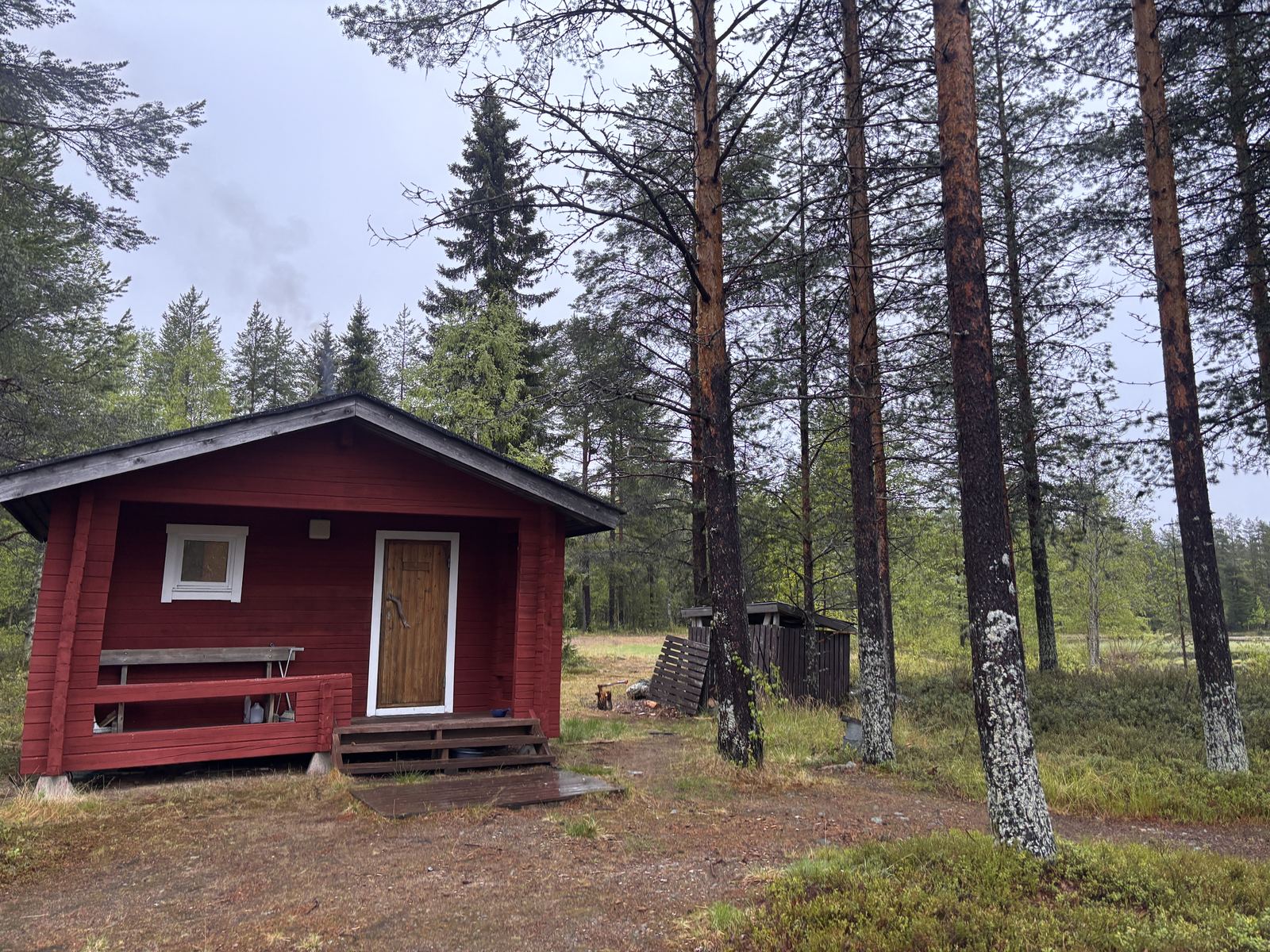
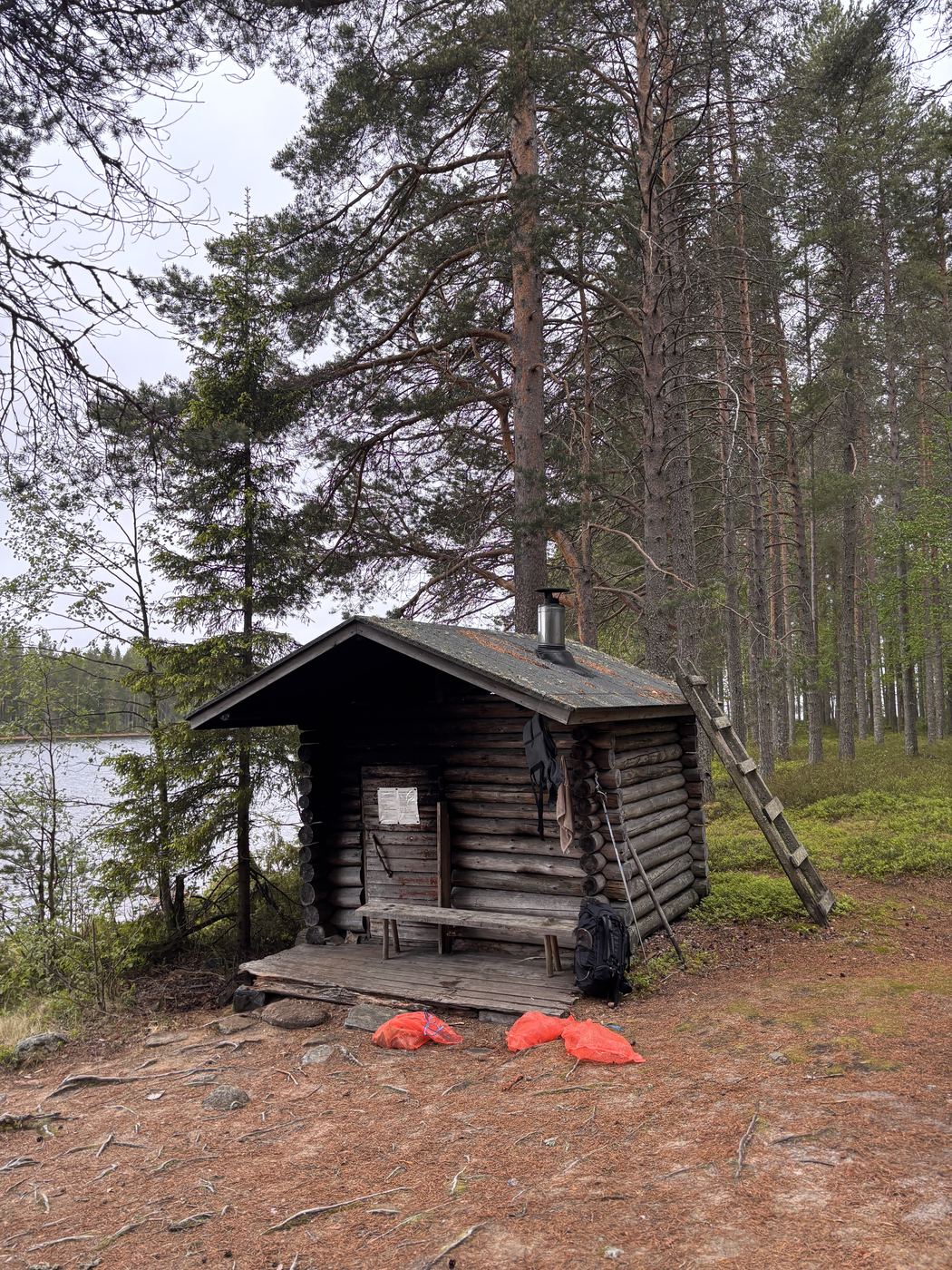
One of my foremost non-academic pursuits is the planning and building of a Finnish sauna. My yearning for löyly (sauna steam) originates in the two years I spent with my family in Helsinki, Finland, where sauna is not a luxury but a fundamental human right and, as many Finns would passionately argue, one of the foremost reasons why Finland was relatively unaffected during the COVID-19 pandemic.

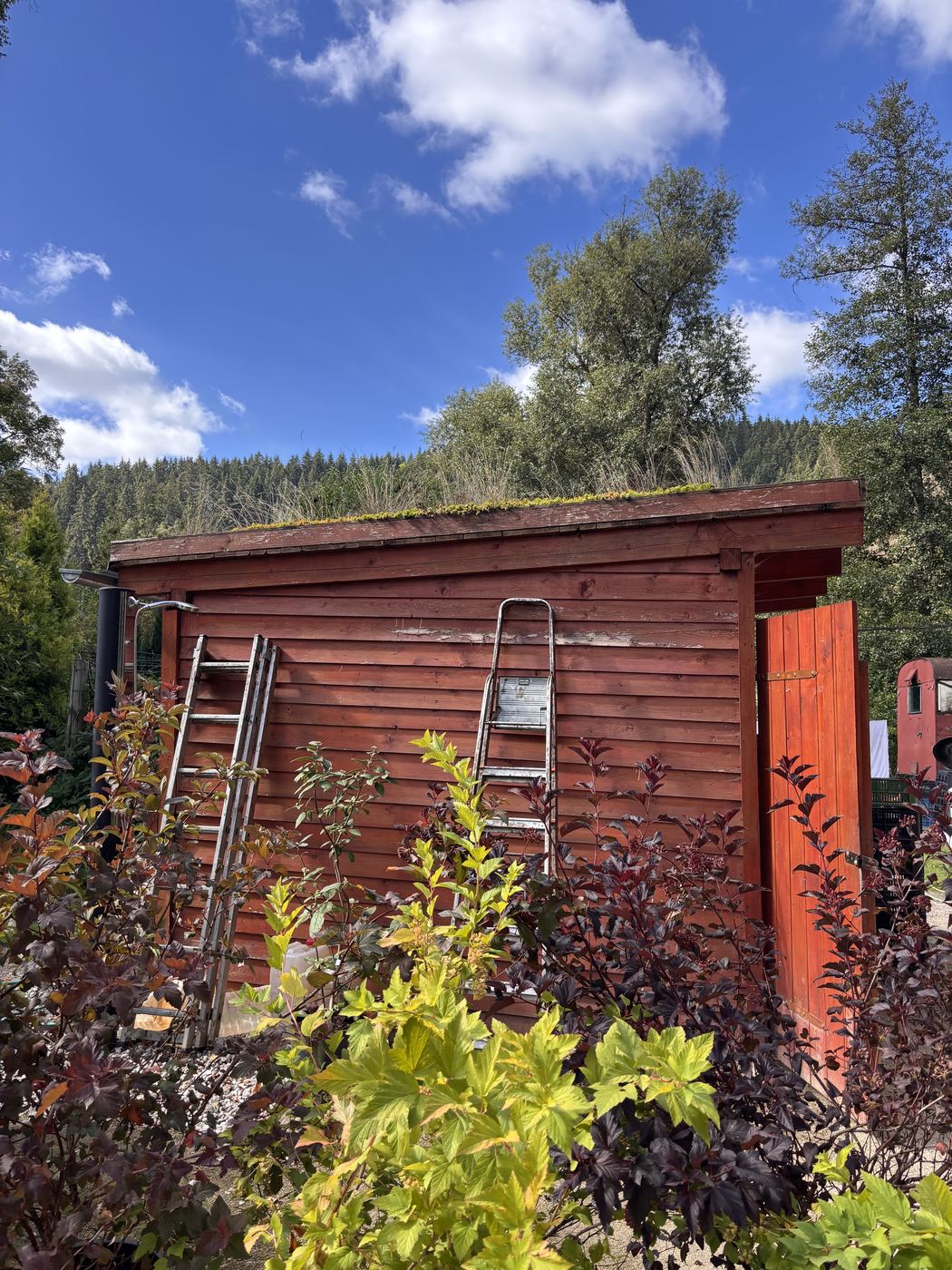
I was originally planning on purchasing a pre-fab kit but in the end decided that I prefer the full freedom in terms of design and insulation choices that a full build offers. However, with great power comes great responsibility that I do not take lightly — cue hours spent perusing r/Sauna, Trumpkin's sauna notes and Lassi Liikkanen's excellent books on sauna design.

The goal for this sauna is to not only create a space where my family can unwind and relax but where we can also invite in our friends, family and neighbors for a regular session of heat and cold exchange; a much welcome respite in the thick of Midwestern winters. Thus, this section will serve as a building log with regular text and photo updates as the project advances.

Hyvä löyly!

Traditional red sauna cabin in a pine forest Rustic log sauna on a lakeshore Sauna with a green roof, under construction Wooden dock leading into a lake, framed by trees

Contact

Matěj Jungwirth

Department of Political Science
Northwestern University